Posts

Showing posts with the label #electrician in Leeds

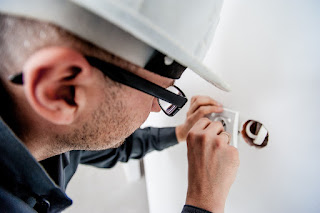
Outlets Not Working? 5 Common Causes and Solutions
Image
 Few things are more frustrating than plugging something in and getting nothing in return. A non-working electrical outlet in your home may seem like a minor inconvenience, but it could be a sign of deeper electrical problems that shouldn't be ignored. Whether it's a single outlet or multiple outlets, understanding the cause of the problem can help you fix it safely or know when to call a professional. Here are five of the most common reasons an electrical outlet might stop working and what you can do about it. Tripped Circuit Breaker One of the first things to check when an electrical outlet stops working is the electrical panel. A tripped circuit breaker is a common cause and easy to fix. Circuit breakers trip when the circuit is overloaded or shorted, cutting off power to prevent damage or fire. If a breaker is out of line with the others or feels loose, turn it off completely and then back on. This may restore power. If the same breaker keeps tripping repeatedly, you may wa...

Exposed Wires? Here's What to Do Immediately

Image
 Finding exposed wires in your home or workplace can be alarming, and for good reason. Exposed electrical wires pose serious safety risks, including electrical shock, fire hazards, and property damage. Whether the insulation has worn away, a wire has been accidentally cut, or the wire is old and deteriorated, it's important to act quickly and with caution. Here's what you should do immediately if you come across exposed wires. Don't Touch the Wire First and foremost, don't touch the exposed wire, even if it doesn't appear to be live. It may still be live, and direct contact can cause serious electrical shock or injury. Keep children and pets away from the area to avoid accidental contact, and if possible, limit access to the space until it's safe. Turn Off the Power The next safest step is to turn off power to the affected circuit at the electrical panel. If you are unsure which breaker controls the area with the exposed wire, it is safest to turn off the main b...

The Shocking Truth About Old Electrical Wiring (And Why It Matters)

Image
 Your home may look perfectly modern on the outside, but what lies behind the walls can tell a very different story. Old electrical wiring is a hidden danger that many homeowners overlook until it's too late. Whether you live in a charming century-old home or a mid-century home in need of renovation, the electrical system you rely on every day could be silently failing.  Why Electrical Wiring Ages and Why That's a Problem Electrical wiring, like everything in your home, doesn't last forever. Over time, wires can become brittle, insulation can degrade, and outdated materials may no longer meet modern safety standards. If your home was built before the 1980s and hasn't had a complete electrical upgrade, it's likely still based on outdated wiring systems, such as knob-and-tube wire, aluminum wiring, or ungrounded two-prong outlets. These systems were cutting edge at the time, but they weren't designed to handle today's electrical demands. Modern homes are fille...

How to Fix an Electric Shock and What's Behind It

Image
 Electric shocks are more than just an uncomfortable jolt; they can be dangerous and a sign that something is wrong with your electrical system. Whether it's a slight tingling sensation when you touch a light switch or a more serious shock from an appliance, understanding the cause is crucial. What Causes Electric Shocks? An electric shock happens when your body completes an electrical circuit. Since the human body conducts electricity well, it allows the current to pass through it. This typically happens when you come into contact with an electrical source that is improperly grounded, faulty, or has excessive voltage. There are several common causes of electric shocks: Faulty Wiring : One of the most common causes of electric shocks is damaged or exposed wiring. If the wires are frayed or not properly insulated, they can come into contact with touching surfaces, causing a shock. Grounding Problems : Electrical outlets and appliances need to be properly grounded to ensure that exce...